Neonatal Resuscitation Program (NRP) Certificate Program
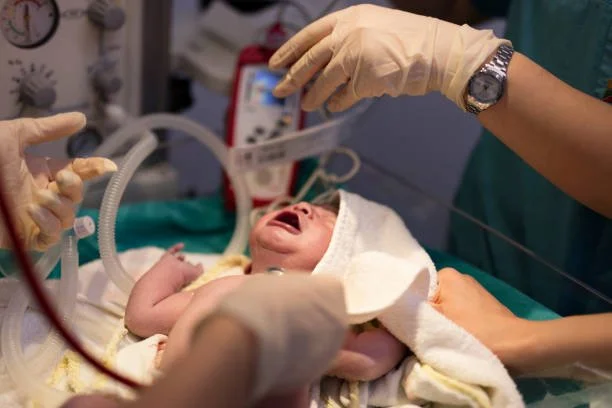
Save Lives in the First Minute: Why NRP Training Is Essential for Your Hospital or Institution
The first moments of a newborn’s life are critical. When a baby fails to breathe at birth, seconds matter—and the outcome depends entirely on how prepared the medical team is.
The Neonatal Resuscitation Program (NRP) equips doctors and nurses with the skills, confidence, and teamwork needed to act decisively during those high-stakes moments. For hospitals committed to safe deliveries and better neonatal outcomes, NRP training is no longer optional—it is essential.
What Is the Neonatal Resuscitation Program (NRP)?
The Neonatal Resuscitation Program (NRP) is an internationally recognized, evidence-based training program that prepares healthcare professionals to assess, stabilize, and resuscitate newborns during the first minutes after birth.
NRP centers on the concept of the “Golden Minute”—the first 60 seconds of life, when effective ventilation and timely intervention can prevent death, brain injury, and long-term disability.
Used worldwide as the standard for newborn resuscitation, NRP provides a clear, systematic approach that helps teams perform under pressure.
Why Every Labor & Delivery Team Must Be NRP-Trained: Save Lives In The First 60 Seconds of Life
Even in low-risk pregnancies, neonatal emergencies can occur without warning. Studies show that:
5–10% of newborns require help to begin breathing
1% require advanced resuscitation
NRP training is especially critical for professionals working in:
Labor & Delivery
Obstetrics & Gynecology
Pediatrics and Neonatology
Anesthesia
Emergency and Newborn Care Units
NRP-trained professionals are able to:
Respond quickly and confidently during neonatal emergencies
Perform effective positive pressure ventilation
Use resuscitation equipment correctly
Communicate clearly and function as a coordinated team
Reduce preventable neonatal complications and deaths
For hospitals, this translates directly into better outcomes, improved patient trust, stronger quality metrics, and enhanced accreditation readiness.
NRP Course Fees
The NRP Course fee ranges from ₹8,000 to ₹10,000 INR, depending on:
Location
Course format
Institutional or group-based training arrangements
Hospitals can also choose on-site training, allowing multiple doctors and nurses to be trained efficiently at once.
Bring World-Class NRP Training to Your Hospital
Our team of Harvard-trained Physicians offers on-site NRP training designed specifically for hospital settings. Your doctors, nurses, and staff could have the highly prestigious training from a world-class Ivy League hospital and research center. Your staff will be trained by the best of the best that the world has to offer.
We deliver:
Hands - on, skills-based instruction
Simulation -driven learning focused on real delivery-room scenarios
Training for doctors, nurses, and multidisciplinary teams
Practical approaches aligned with Indian hospital workflows
This is not just a certification course. Our training is designed to build confidence, speed, and clinical judgment - so your team is ready when it matters most.
We partner with:
Private and public hospitals
Medical colleges and teaching institutions
Maternity hospitals and neonatal units
Our mission is simple: to help your team save lives during the most critical minute of care.
Take the Next Step
If you are interested in enrolling yourself or arranging NRP training for your hospital or educational institution, please email our team with the following details:
Full Name
Phone Number
Professional Credentials (Doctor / Nurse / Specialty)
Hospital or Place(s) of Work
Outside of the US, classes are being offered in India. You can find the course book at: https://www.amazon.in/Textbook-Neonatal-Resuscitation-American-Pediatrics/dp/1610028570
Our team will contact you to discuss course availability, scheduling, and customized training options.